Pool Closing Services in Tillsonburg
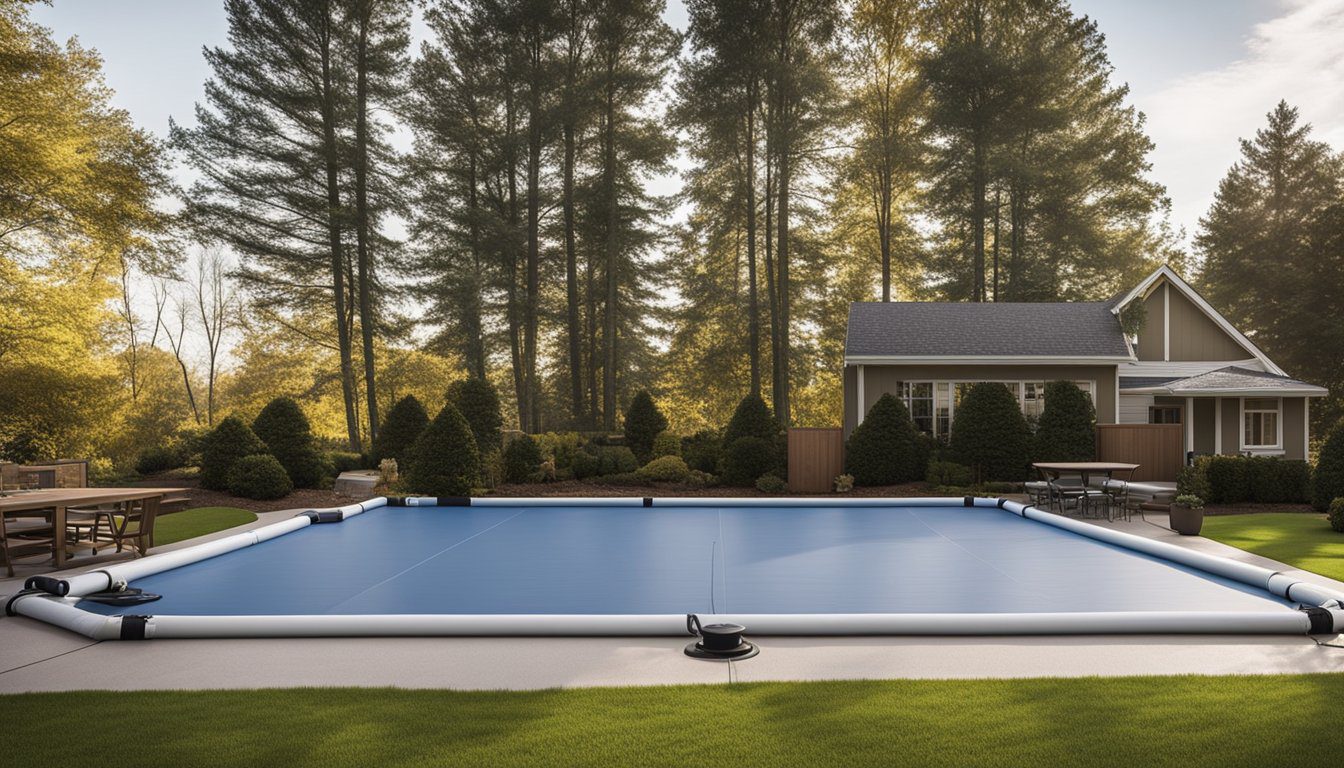
7 Important Tasks When Closing Your Pool: Essential Steps for Winter Preparation
As summer comes to an end, it’s time to think about closing your pool for the winter. This important task helps protect your investment and makes reopening easier next spring. We’ll guide you through the key steps to properly winterize your pool.
Closing your pool at the end of the summer season correctly can save you time and money in the long run. By following a few simple steps, you can avoid costly repairs and ensure your pool stays in good shape during the cold months. Let’s explore the essential tasks for shutting down your pool and keeping it safe until swim season returns.
1) Clean the pool thoroughly

Cleaning the pool is a crucial first step when closing it for the season. We need to start by removing all debris from the water surface using a skimmer net.
Next, we should brush the pool walls and floor thoroughly. This helps loosen any algae or buildup that may have formed.
After brushing, we’ll want to vacuum the entire pool. This removes the loosened debris and ensures a clean surface.
It’s important to pay special attention to corners and steps where dirt tends to accumulate. We shouldn’t forget to clean the waterline as well.
The skimmer baskets and pump baskets need to be emptied and cleaned. This prevents any leftover debris from decomposing during the off-season.
Lastly, we should backwash the filter to remove any trapped contaminants. This ensures our filter is clean and ready for the next season.
By thoroughly cleaning the pool, we set the stage for a successful closing process and make reopening easier when the time comes.
2) Add winterizing chemicals
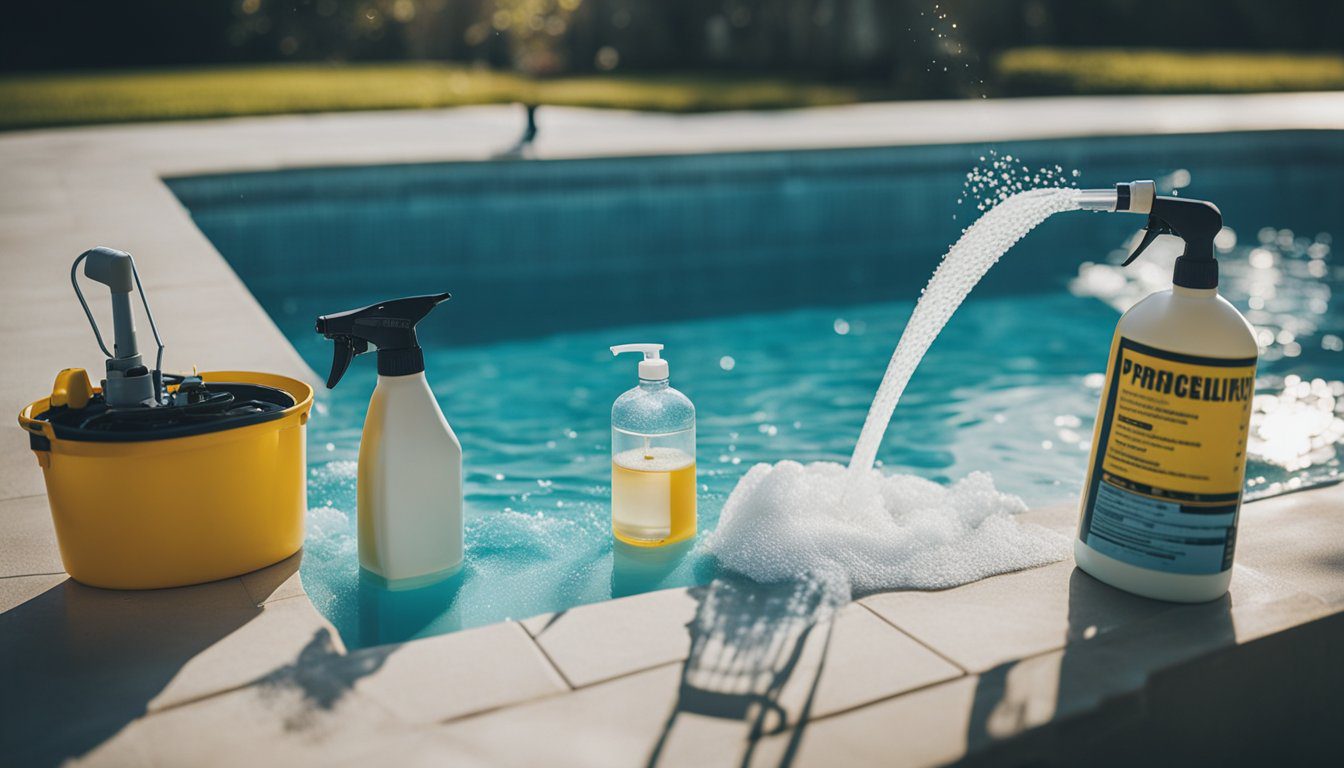
Adding the right chemicals is crucial when closing your pool for winter. We need to balance the water to protect the pool surfaces and equipment.
First, we should test and adjust the pH level. The ideal range is between 7.4 and 7.6. This allows other chemicals to work effectively.
Next, we add an algaecide to prevent algae growth during the off-season. This helps keep the water clear and makes reopening easier in spring.
We also need to shock the pool. This removes contaminants and raises the chlorine level. Aim for 10 to 12 parts per million (ppm) of chlorine.
After shocking, we should add a winter chemical kit. These kits often include stain and scale preventers. They help protect pool surfaces from damage during the cold months.
It’s important to let these chemicals circulate for at least 24 hours before continuing with other winterizing steps. This ensures even distribution throughout the pool.
By properly adding winterizing chemicals, we set our pool up for a smooth reopening when warmer weather returns.
3) Lower the water level

Lowering the water level is a crucial step when closing your pool for the season. We need to reduce the water level to protect the pool’s structure and equipment during freezing temperatures.
The ideal water level should be 4 to 6 inches below the lowest plumbing line, which is usually the water return line. This prevents water from freezing and expanding in the pipes, potentially causing damage.
We can use two main methods to lower the pool water level. The first is using the pool’s filter pump, which is often the most convenient option. Simply run the pump until the water reaches the desired level.
The second method involves using a submersible pump. This is particularly useful if the filter pump can’t lower the water enough or if we want to speed up the process.
Before starting, we should turn off all pool equipment, including pumps, filters, heaters, and cleaners. This protects the equipment from running dry and potentially getting damaged.
It’s important not to drain the pool completely. A small amount of water helps protect the pool’s surface and prevents it from lifting or cracking due to ground pressure.
4) Drain pool equipment

Draining pool equipment is a crucial step when closing your pool for the season. We need to remove all water from pipes, pumps, and filters to prevent damage from freezing.
Start by turning off the pool pump and filter system. Open all drain plugs on the pump, filter, and heater to let water flow out completely.
Use a shop vacuum or air compressor to blow out water from return lines and skimmers. This ensures no water remains trapped inside.
Remove and clean all removable parts like baskets, filters, and o-rings. Store these items in a dry place for the winter.
Don’t forget about other equipment like pool cleaners, chlorinators, and water features. Drain and clean these as well.
If you have an in-ground pool with a main drain, make sure to properly close it following manufacturer guidelines.
After draining, leave all valves partially open. This allows any remaining moisture to escape and prevents pressure buildup.
We recommend labeling all parts and plugs as you remove them. This makes reassembly much easier when it’s time to reopen the pool.
5) Cover the pool tightly
Covering the pool tightly is a crucial step in closing it for the season. We need to choose the right cover to protect our pool from debris and potential damage.
A well-fitted cover keeps leaves, dirt, and animals out of the water. It also helps maintain water quality and makes reopening easier in spring.
There are different types of covers available. Mesh covers allow water to pass through while blocking debris. Solid covers provide complete protection but may require a pump to remove standing water.
We should measure our pool carefully to ensure we get the right size cover. A cover that’s too small won’t offer full protection, while one that’s too large can be difficult to secure.
Pool clips and a cable and winch can provide extra security for the cover during winter storms. This helps prevent the cover from coming loose or blowing off.
For above-ground pools, we can use an air pillow under the cover. This creates a slight dome shape, allowing snow and rain to slide off more easily.
Regular checks throughout the off-season are important. We should remove any standing water or debris from the top of the cover to prevent damage and ensure it stays in place.
6) Store pool accessories
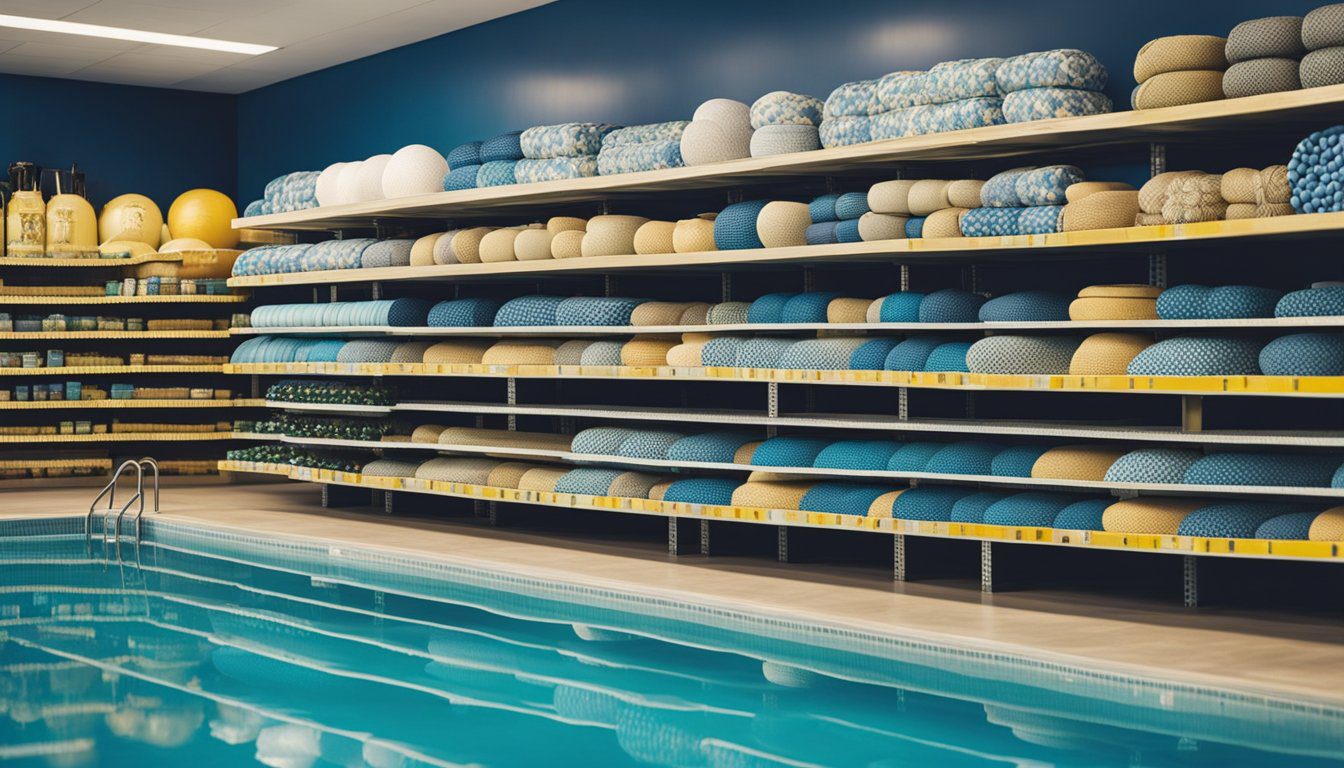
Proper storage of pool accessories is crucial for their longevity. We recommend cleaning all items thoroughly before putting them away for the season.
Start by washing pool toys, floats, and games with mild soap and water. Dry them completely to prevent mold and mildew growth during storage.
Next, clean and dry all pool equipment like skimmers, brushes, and vacuum hoses. Store these items in a dry place to protect them from moisture and freezing temperatures.
Don’t forget about smaller accessories like thermometers, test kits, and pool lights. Pack them carefully to avoid damage.
We suggest organizing items in labeled bins or containers for easy access next season. This makes reopening the pool much simpler.
If possible, store accessories indoors in a garage or shed. This offers the best protection from harsh winter weather.
Lastly, remember to drain and clean your pool filter. Store it in a dry area to prevent cracking or other damage during freezing conditions.
By taking these steps, we ensure our pool accessories stay in great shape for many seasons to come.
7) Check for leaks and repairs

Checking for leaks is crucial when closing your pool. We recommend doing a thorough inspection of the entire pool area. Look for any cracks, gaps, or worn spots in the pool liner or structure.
One easy way to detect leaks is the bucket test. Fill a bucket with pool water and mark the water level inside and outside. Place it on a pool step. After 24 hours, compare the levels. If the pool’s water level has dropped more, you likely have a leak.
Pay close attention to the pool’s waterline, lights, and plumbing. These areas are common spots for leaks. If you find any issues, it’s best to address them before closing the pool.
For small leaks, we can often use epoxy putty for a quick fix. Apply it to the leak site and shape it to match the pool surface. Let it cure fully before refilling the pool.
Larger leaks or structural issues may require professional help. It’s better to fix these problems now rather than letting them worsen over the winter months.
Safety Considerations

Proper safety measures are crucial when closing your pool. We’ll look at two key areas that need special attention to prevent accidents and damage.
Chemical Balance
Maintaining the right chemical balance is vital for pool safety during closure. We recommend testing and adjusting pH levels to between 7.2 and 7.6. Chlorine should be at 1-3 parts per million.
Add winterizing chemicals to prevent algae growth. These typically include algaecides and enzyme treatments. Follow package instructions carefully.
Don’t forget to shock the pool before closing. This kills any remaining bacteria. Wait until chlorine levels drop below 5 ppm before adding other chemicals.
Pool safety requirements often include proper chemical handling. Always wear gloves and eye protection when working with pool chemicals.
Electrical Equipment
Electrical safety is paramount when winterizing your pool. Start by turning off all power to pool equipment at the circuit breaker.
Remove and store any detachable electrical components. This includes pool lights, pumps, and heaters. Clean and dry these items before storage.
Inspect all wiring for signs of wear or damage. Replace any frayed cords or corroded connections.
We advise covering exposed electrical outlets with waterproof covers. This prevents moisture from causing short circuits or other hazards.
Remember to drain water from pump housings and filters. Leftover water can freeze and crack equipment, creating electrical dangers when you reopen the pool.
Cleaning And Maintenance
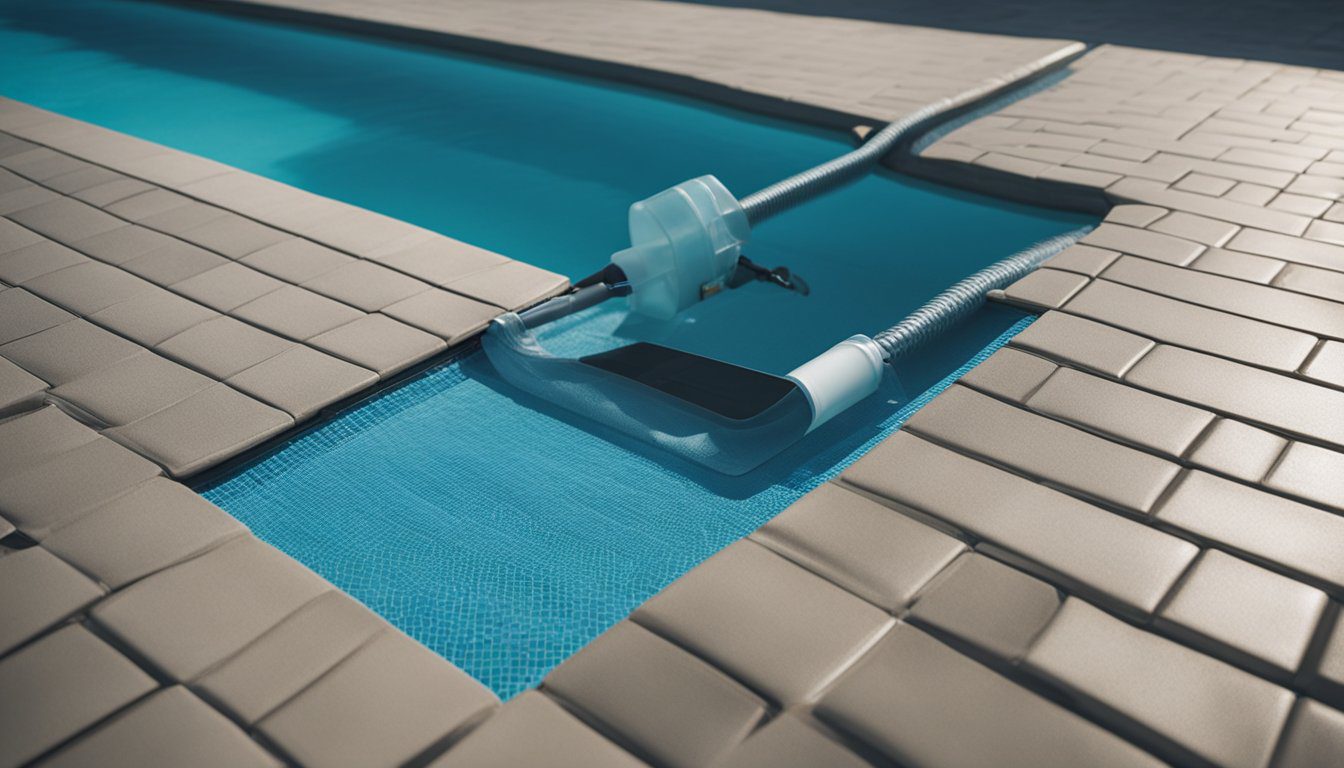
Proper cleaning and maintenance are crucial when closing your pool for the season. These tasks help protect your pool and equipment during the winter months.
Removing Debris
We start by thoroughly cleaning the pool. Use a skimmer net to remove leaves, twigs, and other floating debris from the water’s surface. Next, brush the walls and floor of the pool to loosen any algae or dirt buildup.
After brushing, vacuum the pool to remove all the loosened debris. Pay extra attention to corners and steps where dirt tends to collect. This process may need to be repeated a few times to ensure a spotless pool.
Once the pool is clean, test the water chemistry. Adjust the pH, alkalinity, and chlorine levels as needed. Proper chemical balance helps prevent staining and equipment damage during the off-season.
Winterizing Equipment
We begin by cleaning the filter system. Backwash sand and DE filters, or clean cartridge filters thoroughly. After cleaning, drain all water from the filter tank, pump, and heater.
Remove drain plugs from the pump, filter, and heater. Store these plugs in the pump basket for safekeeping. Blow out the plumbing lines with a shop vac or air compressor to remove any remaining water.
Lubricate O-rings on equipment to prevent cracking during winter. Remove and clean salt cells if you have a salt system. Store movable parts like ladders and diving boards indoors to prevent damage from harsh weather.
Lastly, install winter plugs in the return lines and skimmer baskets. This step helps prevent water from entering the plumbing system and potentially causing freeze damage.
Proper Storage Of Accessories
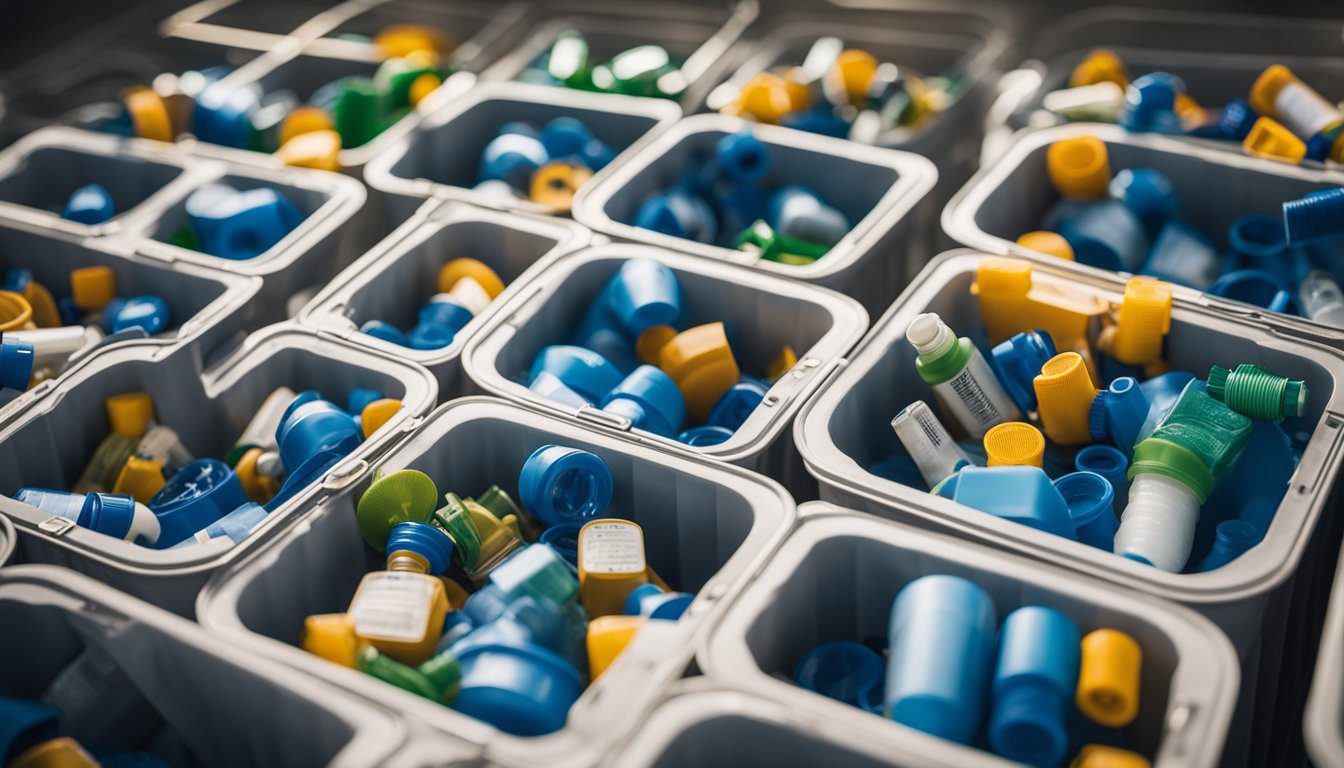
Storing pool accessories correctly helps protect them from damage and extends their lifespan. Proper storage also makes reopening your pool easier next season.
Storing Pool Covers
Pool covers need careful handling when being put away for the off-season. We recommend cleaning the cover thoroughly before storage. Remove any debris, leaves, or dirt.
Let the cover dry completely to prevent mold growth. Fold it neatly without creating sharp creases. Store the cover in a cool, dry place away from direct sunlight.
A large plastic bin or storage bag works well for keeping covers clean and protected. Add some moisture-absorbing packets to prevent dampness. Label the container clearly for easy identification next season.
Handling Pool Toys
Pool toys and floats need proper care too. We suggest deflating all inflatable items fully. Clean them with mild soap and water, then dry completely.
Store smaller toys in mesh bags or plastic bins with air holes. This allows airflow and prevents mildew. Larger items can be hung on wall hooks or stored on shelves.
Keep toys away from sharp objects that could puncture them. A cool, dry area is best for storage. Avoid attics or garages that get very hot or cold.
Organizing toys by type or size makes finding them easier next year. Consider labeling storage containers for quick identification when reopening your pool.
Frequently Asked Questions
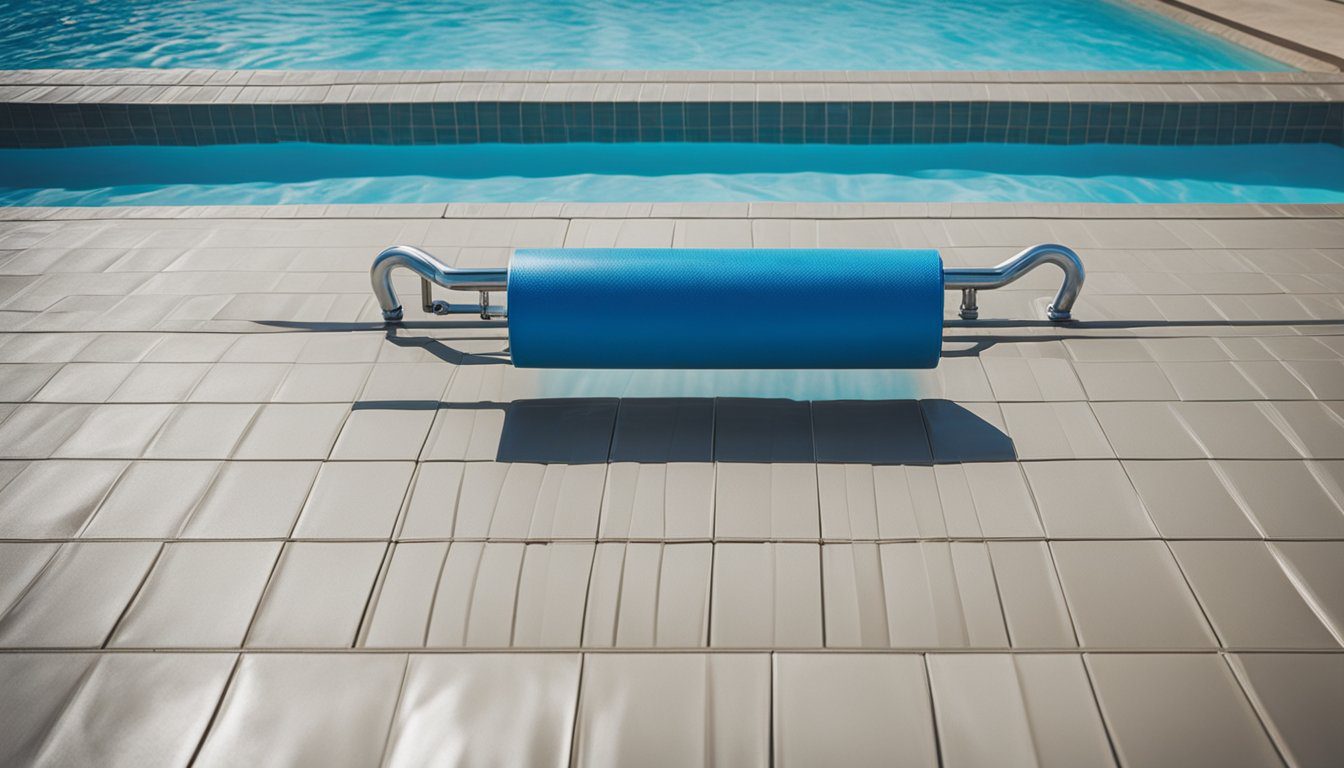
Closing your pool properly involves several key steps to protect it during the off-season. Let’s address some common questions about this process.
What is the proper procedure for lowering the pool’s water level before closing?
We recommend lowering the water level to about 4-6 inches below the skimmer opening. This helps prevent damage from freezing water. Use a submersible pump or your pool’s filtration system to remove excess water.
Can you outline the steps for balancing water chemistry as part of the pool closing process?
First, test the water using a reliable kit. Adjust the pH to between 7.2 and 7.6. Bring the alkalinity to 80-120 parts per million. Add a winterizing chemical kit to protect the water during the off-season.
How should I clean the pool’s filtration system before shutting it down for the season?
Start by backwashing the filter thoroughly. Clean or replace the filter cartridges if needed. Drain all water from the pump, filter, and heater. Remove drain plugs and store them in a safe place.
Is it necessary to remove all equipment, like ladders and diving boards, when winterizing a pool?
We advise removing and storing all removable equipment. This includes ladders, diving boards, and handrails. It protects the equipment from winter damage and prevents potential safety hazards.
What are the best methods for covering a pool to ensure it stays clean and secure throughout the winter?
Use a high-quality winter cover that fits your pool snugly. Secure it tightly with water bags or cover clips. Make sure there are no gaps where debris can enter. A safety cover can provide extra protection.
How do I monitor and maintain my closed pool during the off-season to prevent damage?
Check the cover regularly for tears or sagging. Remove any standing water or debris from the top. Monitor the water level and add water if it drops significantly. Inspect the area around the pool for any signs of leaks or damage.